Untamed and Uncrowded: Kosovo's Mountain Wilderness Is the Balkans Adventure You've Been Missing
Every summer, millions of travelers descend on Dubrovnik's walled city, jostle for space along the Dalmatian Coast, or queue for a glimpse of Santorini's famous caldera. These are beautiful places, undeniably — but beauty shared with endless crowds carries its own cost. If you are an American traveler who has grown weary of paying premium prices for a diminished experience, Kosovo's highland wilderness is quietly, confidently offering something better.
Nestled in the heart of the Balkan Peninsula, Kosovo is a compact but geographically dramatic country. Its terrain rises sharply from river valleys into mountain ranges that rival anything the region has to offer — and does so without the tour buses, the overpriced seafood restaurants, or the Instagram-driven congestion that defines so many European destinations today. Here, the trails are open, the air is clean, and the silence is real.
The Sharr Mountains: A High-Altitude World Unto Itself
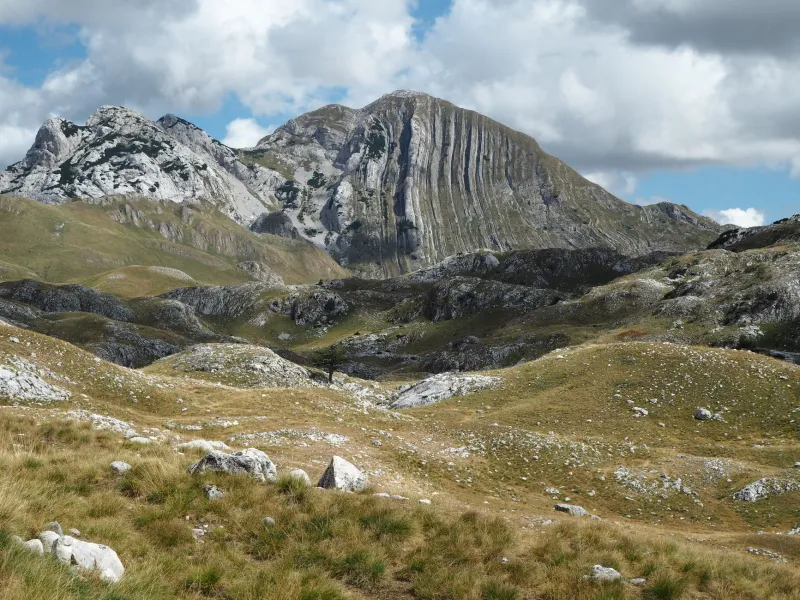
Stretching along Kosovo's southern border with North Macedonia, the Sharr Mountains — known locally as Sharri — form one of the most biodiverse mountain ecosystems in all of Europe. The range is home to more than 1,700 plant species, dozens of glacial lakes, and a network of trails that wind through pine forests, alpine meadows, and rocky ridgelines at elevations exceeding 8,600 feet.
For hikers based in cities like Denver or Salt Lake City who are accustomed to serious mountain terrain, the Sharr Mountains will feel immediately familiar in scale — yet entirely foreign in character. The landscape here carries the imprint of centuries of pastoral life. Stone-walled enclosures, traditional summer villages called katundet, and the occasional shepherd moving a flock across a high meadow remind visitors that this wilderness has been inhabited and respected for generations.
The area around Brezovica, historically one of Kosovo's most important ski resorts, also serves as a summer trailhead for multi-day hiking routes. Trails here connect to broader regional paths and offer stunning panoramic views across the entire southern range. Accommodations in the area range from mountain guesthouses to eco-lodges, most of which are locally owned and operated — meaning your tourism dollars stay within the community.
Rugova Valley: Kosovo's Answer to the Grand Canyon of the East
If the Sharr Mountains represent Kosovo's high-altitude wilderness, the Rugova Valley — located just west of the city of Peja — represents its most dramatic geological spectacle. Carved by the Peja River over millennia, the Rugova Canyon stretches for more than 25 kilometers and plunges to depths that dwarf many of Europe's more celebrated gorges.
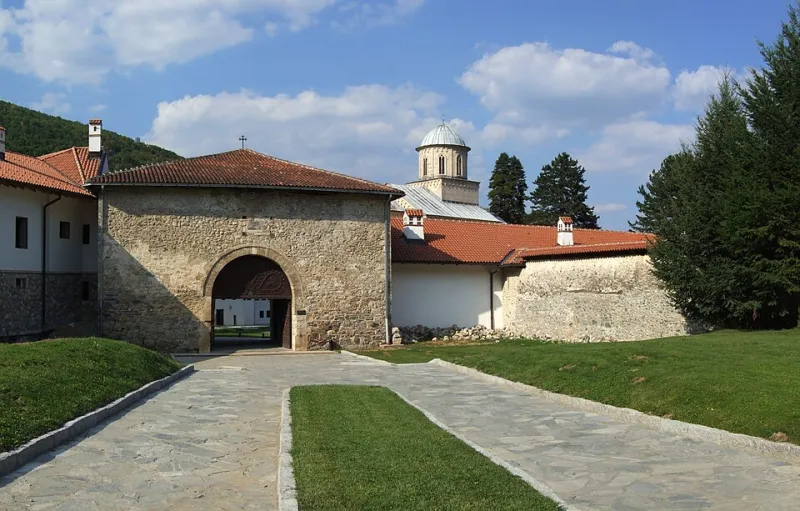
The canyon walls rise nearly 1,000 meters in places, creating a corridor of sheer limestone cliffs that climbers from across the continent have begun to discover. Sport climbing routes of varying difficulty have been developed along the canyon walls, and local guiding services can connect visiting climbers with the area's best-established lines. For those who prefer to keep their feet closer to the ground, the valley floor offers well-marked walking trails, riverside picnic areas, and access to the historic Visoki Dečani Monastery — a UNESCO World Heritage Site situated at the canyon's entrance.
The Rugova Valley also serves as the primary gateway to the Peaks of the Balkans, a trans-boundary hiking trail that connects Kosovo with Albania and Montenegro across some of the most remote mountain terrain in Europe. This multi-day trekking route has earned significant international recognition among long-distance hikers and is increasingly appearing on the radar of American adventure travelers who have already completed routes like the John Muir Trail or the Colorado Trail.
Mirusha Waterfalls: A Hidden Cascade System Worth the Detour
Few natural features in Kosovo generate as much surprise among first-time visitors as the Mirusha Waterfalls. Located in the central part of the country near the town of Klina, the Mirusha River has carved a series of 13 cascading waterfalls and natural pools over a distance of roughly 10 kilometers. The result is a layered, tiered landscape of turquoise water and pale limestone that feels almost tropical in its visual intensity.
The hike through the Mirusha gorge is accessible to most fitness levels and takes between three and five hours to complete round-trip. During summer months, the natural pools become swimming holes of exceptional clarity — a refreshing reward after a warm morning of walking. Unlike similar formations in Slovenia or Croatia, which now charge significant entry fees and impose timed-entry restrictions, Mirusha remains refreshingly accessible and unhurried.
Practical Guidance for American Visitors
Kosovo is a visa-free destination for U.S. passport holders, meaning American travelers can enter without prior application for stays of up to 90 days. The country uses the euro as its official currency, which simplifies budgeting for travelers already familiar with European travel. English is widely spoken, particularly among younger Kosovars and those working in tourism — a reflection of the country's strong cultural affinity with the United States, which remains deeply appreciated here.
The best seasons for mountain hiking are late spring through early autumn, with June and September offering the most favorable combination of stable weather, manageable crowds, and accessible trails. Summer temperatures in the highlands rarely exceed the upper 70s Fahrenheit, making midday hiking comfortable even without shade.
Pristina, Kosovo's capital, is served by direct and connecting flights from major U.S. hubs via European carriers including Lufthansa, Austrian Airlines, and Turkish Airlines. From Pristina, all of Kosovo's major natural attractions are reachable by car within two hours, making the country exceptionally well-suited to a self-drive itinerary.
The Case for Choosing Kosovo
Adventure travel is, at its best, about discovery — not just of landscapes, but of places that still have room for you, that haven't yet been smoothed into a product. Kosovo's highlands offer exactly that. The trails here are not yet crowded. The guesthouses are not yet fully booked months in advance. The canyon walls are not yet festooned with commercial signage.
This will change, as it always does when a place is genuinely worth visiting. But for now, Kosovo's mountain wilderness remains one of the most rewarding and underappreciated outdoor destinations available to American travelers willing to look a little further than the usual Balkan itinerary. The highlands are waiting. The only question is when you will arrive.