May in Kosovo: The Season That Changes Everything
There is a particular kind of travel revelation that has nothing to do with a monument or a museum. It arrives quietly — in the color of a hillside at seven in the morning, in the smell of blooming linden trees along a cobblestone street, in the sound of a folk ensemble warming up in an open square while the air still carries the faint coolness of the night before. In Kosovo, that revelation has a name, and its name is May.
For American visitors accustomed to planning international trips around peak summer schedules, the idea of late spring as the optimal travel window can feel counterintuitive. Summer, the thinking goes, is when Europe opens up. But Kosovo rewards a different kind of logic — one that prizes discovery over convenience, and atmosphere over crowds. And by that measure, May is not simply a good time to visit. It may be the best.
A Landscape in Full Bloom
Kosovo's geography is defined by contrast: the broad agricultural plains of the center and east, the dramatic limestone massifs of the north and west, and the river valleys threading between them. In May, all of these zones undergo a transformation that is difficult to overstate.
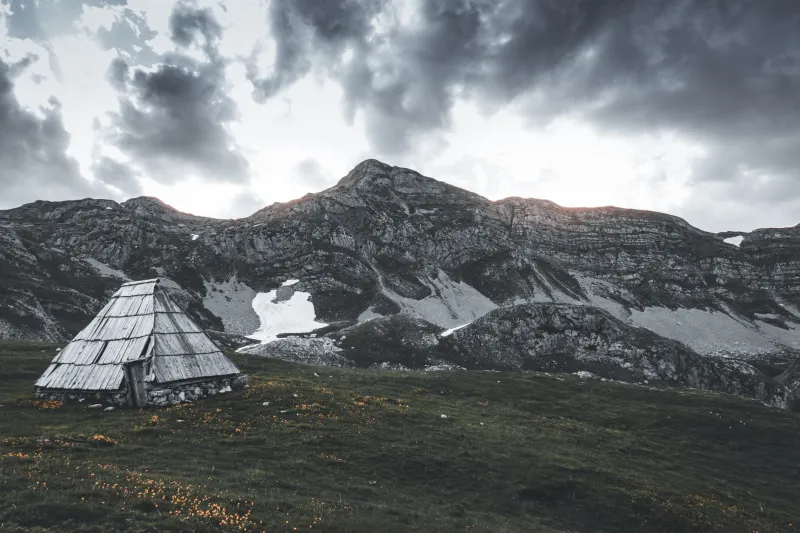
The Sharr Mountains in the south and the Accursed Mountains — known locally as the Bjeshkët e Namuna — along the northern and western borders emerge from their winter silence with startling speed. Meadows that were snow-covered as recently as April are suddenly carpeted in wildflowers: yellow gentians, purple crocus varieties, wild orchids, and the low-growing alpine blooms that botanists travel specifically to document. Hiking trails that were inaccessible or muddy just weeks earlier become firm and walkable, offering conditions that experienced trekkers describe as close to ideal.
For those based in Pristina, the capital, day trips into the surrounding countryside become effortlessly rewarding. The Gadime Cave, the Mirusha Waterfalls, and the canyon landscapes near Prizren are all within a two-hour drive, and in May they are at their most photogenic — the water levels high from snowmelt, the vegetation vivid, the light long and golden well into the evening.
Weather That Works in Your Favor
One of the most practical arguments for visiting Kosovo in May is simply the weather. Average temperatures in the capital during this month range from the mid-50s Fahrenheit at night to the low-to-mid 70s during the day — conditions that make walking a city for six hours feel comfortable rather than exhausting, and that allow a mountain hike to begin in a light jacket and end in shirtsleeves.
Summer in Kosovo, particularly July and August, can be genuinely hot, with temperatures in Pristina regularly exceeding 90 degrees Fahrenheit. While the mountains remain cooler, urban exploration and lower-altitude activities become less pleasant in peak heat. May sidesteps that entirely. Rain is possible, particularly in the first half of the month, but showers tend to be brief and followed by the kind of clean, luminous skies that make landscape photography exceptional.
For American travelers arriving from cities where late spring still feels tentative — Chicago in early May, or Boston, where a cold snap can arrive at any moment — Kosovo's climate during this period will feel like a genuine seasonal gift.
Festivals and Cultural Gatherings Come Alive
Kosovo's cultural calendar accelerates meaningfully in May, as outdoor venues and public squares become viable again and communities across the country organize events that had been on pause since autumn. This is the month when the relationship between Kosovo's people and their public spaces reasserts itself with particular energy.
In Prizren, the country's most historically layered city, May marks the beginning of the outdoor season along the Bistrica River embankment, where café terraces fill each evening with a social life that feels genuinely unhurried. The Prizren Fortress, which dominates the city from above, becomes a gathering point for locals and visitors alike, with views over the Ottoman-era skyline that are best appreciated in the clear air of late spring.
In Pristina, the city's outdoor music and arts programming begins to accelerate. Street performances, gallery openings with outdoor components, and informal neighborhood festivals create a sense of cultural momentum that is harder to access in the more tourist-saturated months of summer. Visiting in May means encountering these events as a participant rather than as an observer of a spectacle designed for outside consumption.
Rural communities across Kosovo also organize spring agricultural festivals and local celebrations that rarely appear in international travel guides but offer some of the most authentic encounters available to foreign visitors. Timing a visit to coincide with these events requires some advance research, but local guesthouses and regional tourism offices are generally excellent sources of information.
The Uncrowded Advantage
Kosovo receives a fraction of the tourist traffic that flows through neighboring countries, and May amplifies that advantage further. The summer months bring a modest increase in visitors — diaspora Kosovars returning from Western Europe, regional travelers from Serbia, North Macedonia, and Albania, and a growing contingent of curious internationals. May, by contrast, is genuinely quiet.
What that means in practice is significant. Guesthouses in historic towns like Gjakova and Peja are available without advance booking crises. Trailheads in the national parks are uncrowded. Restaurant owners have time to talk. The experience of traveling through Kosovo in May has a quality that is increasingly rare in European travel: the sense that you are encountering a place on its own terms, without the mediation of a well-worn tourist infrastructure.
For American travelers who have grown accustomed to fighting for reservations in popular European destinations or navigating selfie-clogged viewpoints, this feels less like a consolation and more like the point.
Planning Your May Visit
Flights from major U.S. hubs to Pristina's Adem Jashari International Airport typically route through European connection cities including Vienna, Istanbul, Frankfurt, and Zurich. May fares are generally more favorable than summer pricing, and the combination of lower costs and optimal conditions makes the timing argument even more compelling from a practical standpoint.
A well-structured May itinerary might allocate three to four days to Pristina and its surroundings, followed by two days in Prizren, a day or two in the Rugova Valley near Peja for mountain access, and a final day in Gjakova — one of Kosovo's most beautifully preserved Ottoman-era towns. That circuit covers the country's essential geography and cultural range in approximately eight to ten days, which aligns well with standard American vacation windows.
Packing for May requires some flexibility: layers for mountain mornings and evenings, lighter clothing for midday warmth, and waterproof footwear if hiking is on the agenda. The country's road network has improved substantially in recent years, and rental cars are available in Pristina for those who prefer independent travel.
The Season Worth Planning Around
Kosovo does not announce itself. It does not have the marketing infrastructure of its Western European counterparts, and it does not need to. For travelers willing to look carefully and arrive at the right moment, it offers something more durable than a famous skyline or a well-photographed landmark: the experience of a country in full, unhurried bloom, meeting the world on its own terms.
May is when that meeting happens most naturally. Plan accordingly.