Pristina Rising: The Balkan Capital That Turned Adversity Into Europe's Most Exciting City Break
There is a particular kind of city that rewards the traveler who arrives early — before the boutique hotels multiply, before the food tours fill up weeks in advance, and before the Instagram crowd discovers the rooftop bars. Pristina, the capital of Kosovo, is precisely that city. And for Americans willing to look beyond the well-worn European circuit of Paris, Rome, and Prague, it may be the most compelling urban destination on the continent right now.
To understand what makes Pristina remarkable, it helps to understand where it has been. Just over two decades ago, this city bore the visible scars of conflict and uncertainty. Infrastructure was strained, investment was scarce, and the future felt provisional. Today, the same streets pulse with construction cranes, open-air galleries, specialty coffee roasters, and a population whose median age hovers around 30 — the youngest in all of Europe. The transformation is not cosmetic. It is structural, cultural, and deeply felt by the people who live it every day.
A Capital Redrawn in Bold Strokes
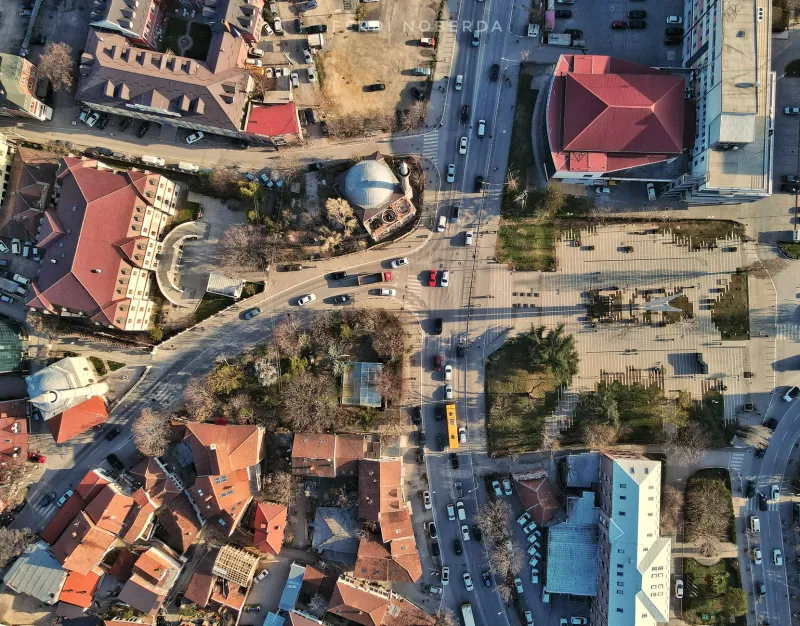
First-time visitors to Pristina are often surprised by its scale and its ambition. The city is compact enough to explore largely on foot, yet dense enough with discovery that a single afternoon walk can yield a dozen unexpected encounters. The central boulevard — Nënë Tereza, named for the Albanian-heritage saint born in what is now North Macedonia — serves as both a civic spine and a social commons. On any given evening, it fills with families, students, professionals, and visitors moving between cafés, galleries, and impromptu conversations that spill onto the sidewalk.
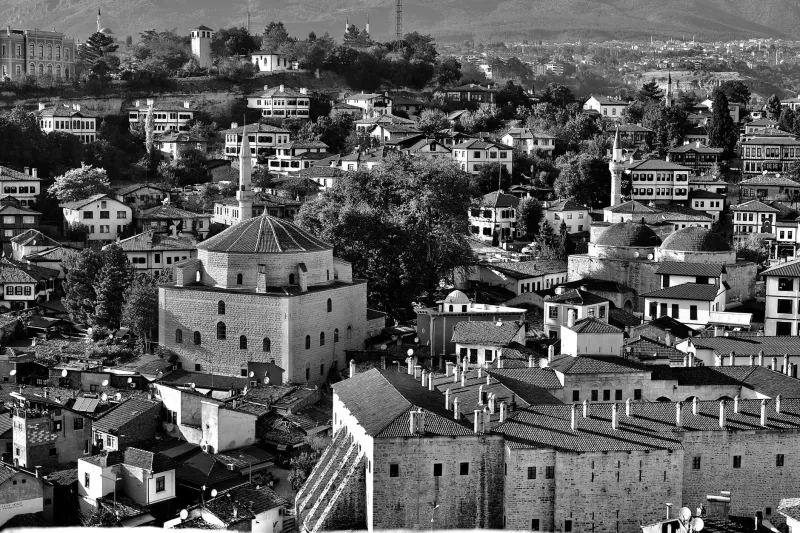
The architectural landscape is deliberately layered. Ottoman-era structures stand in quiet proximity to socialist-era concrete and a newer generation of glass-and-steel buildings that signal economic confidence. This visual conversation between eras is not accidental — it is one of Pristina's defining characteristics, and it gives the city a texture that purpose-built tourist destinations simply cannot replicate.
Street Art as Civic Statement
Few cities in Europe deploy public art with the same urgency and intentionality as Pristina. Across the city's neighborhoods — from the student quarter of Ulpiana to the older residential blocks near the Grand Bazaar — murals cover entire building facades, transforming ordinary urban surfaces into statements about identity, resilience, and aspiration.
These are not decorative gestures. Many of the works engage directly with Kosovo's history, its contested international status, and its determination to define itself on its own terms. Artists from Kosovo and across the region have used Pristina's walls as a canvas for dialogues that might otherwise remain unspoken. For American visitors accustomed to street art as aesthetic backdrop, the experience here carries a different weight — and a different invitation to engage.
Self-guided walking routes through the city's mural districts are increasingly available through local cultural organizations, and several Pristina-based guides offer curated tours that provide context for the imagery and the stories behind it.
The Food Scene: Tradition Reimagined
Kosovo's culinary heritage is rich and deeply rooted in Balkan and Ottoman traditions — slow-cooked meats, handmade pastries, fresh cheeses, and produce grown in the fertile valleys surrounding the capital. What is happening in Pristina's restaurants and kitchens right now, however, is something more dynamic: a generation of young chefs and restaurateurs who are honoring those foundations while introducing techniques, ingredients, and presentations that place them in conversation with broader European and global food culture.
The city's dining scene ranges from traditional burek bakeries that have served the same recipes for generations to contemporary restaurants where the tasting menu changes with the season and the wine list features bottles from Kosovo's own emerging wine regions. Neighborhood spots in the areas around Dragodan and the New Bazaar offer some of the most rewarding meals — informal, generous, and priced at a fraction of what comparable quality would cost in Western European capitals.
For American travelers, the value proposition is genuinely striking. A full dinner with local wine at one of Pristina's better restaurants will rarely exceed what a casual lunch costs in New York or Chicago.
Nightlife and the Sound of a Generation
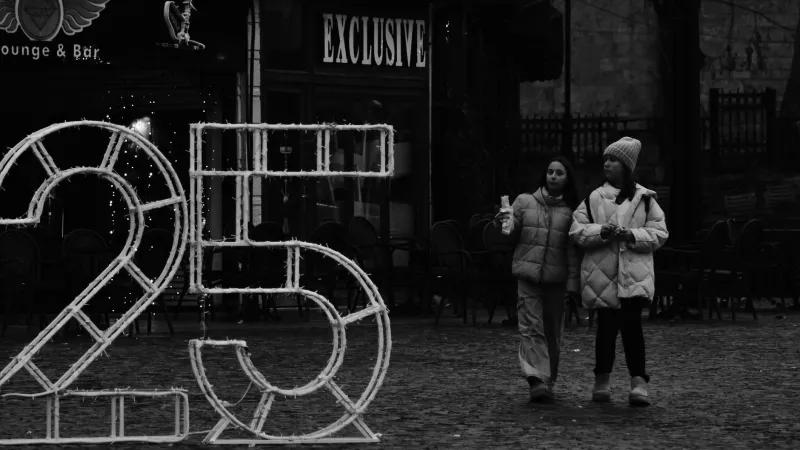
Pristina's nightlife has developed a reputation that extends well beyond Kosovo's borders. The city's bars and clubs — concentrated around the areas of Pejton and the streets radiating from the center — draw a crowd that is young, international, and genuinely committed to a good time. Music programming ranges from live jazz and folk fusion to electronic sets that run until the early morning hours.
What distinguishes the scene is its informality and its inclusivity. There is very little of the velvet-rope culture that can make nightlife in larger European cities feel exclusionary. Pristina's venues tend to be welcoming, conversational, and oriented toward connection rather than performance. For solo travelers or small groups looking to meet locals, the city's bar culture offers an unusually accessible entry point.
Practical Matters for American Visitors
Kosovo uses the euro as its official currency, which simplifies budgeting for travelers already familiar with European travel. American citizens do not require a visa for short stays, and the country's main international airport — Pristina International Airport Adem Jashari — receives direct and one-stop flights from several major European hubs, making it straightforward to incorporate into a broader regional itinerary.
English is widely spoken in Pristina, particularly among the city's younger population, which makes navigation and conversation considerably easier than in many other Balkan capitals. The city is also notably walkable, with most major attractions, restaurants, and neighborhoods accessible on foot from a centrally located hotel.
Accommodation options have expanded significantly in recent years. Boutique properties have opened alongside established international brands, and the quality of hospitality — warm, attentive, and genuinely proud of the city — consistently draws positive feedback from international visitors.
The Moment Before the Crowd Arrives
Every city that eventually becomes a mainstream destination has a window — a period when it offers everything that will later make it famous, without the congestion, the inflated prices, or the sense that the experience has been packaged for consumption. Pristina is in that window right now.
The museums are unhurried. The restaurants are accessible. The locals are curious about visitors rather than fatigued by them. The streets feel alive in a way that is organic rather than orchestrated. For American travelers who have grown accustomed to fighting for reservations and navigating crowds at Europe's most celebrated destinations, Pristina offers something genuinely rare: a city that is fully itself, and fully open to those willing to meet it on its own terms.
The question is not whether Pristina will eventually earn the recognition it deserves. It will. The question is whether you will arrive before or after that recognition reshapes the experience. The answer, for those paying attention, seems clear.