Eight Doors Into the Real Kosovo: Immersive Experiences Most Visitors Never Find

Photo by Photo by Doğan Alpaslan DEMİR on Unsplash on Unsplash
Every destination has two versions of itself: the one that appears in travel roundups and the one that locals actually inhabit. In Kosovo, the gap between those two versions is wider than almost anywhere else in Europe — not because the country is hiding anything, but because it is still young enough that the tourist infrastructure has not yet flattened its edges.
For American travelers who have done Paris and Prague and are now searching for something that feels genuinely unscripted, Kosovo is one of the most rewarding answers on the map. What follows are eight ways to experience the country as its residents do, rather than as a backdrop for familiar travel rituals.
1. Sit for Coffee the Kosovar Way
In the United States, coffee is largely a transaction — ordered, received, and consumed in transit. In Kosovo, it is a ceremony, a social institution, and the primary architecture of daily life. The traditional Kosovar coffee, brewed in a small copper džezva and served with a cube of sugar and a glass of cold water, is meant to be consumed slowly and in company.
The correct approach is to find a local kafane — a traditional coffee house, often unmarked and easy to overlook — settle into a chair, and allow the afternoon to dissolve. Conversations will happen. Invitations may follow. Declining is unnecessary and, frankly, inadvisable. Kosovar hospitality is not a performance; it is a genuine cultural reflex, and accepting it gracefully is one of the most rewarding things a visitor can do.
2. Spend a Night in a Family Guesthouse
Kosovo's network of family-run guesthouses, known locally as konaks or simply shtëpi private (private houses), offers an accommodation experience that no hotel can replicate. These are working family homes with a spare room or two, where breakfast is cooked fresh each morning and your hosts are available for conversation, advice, and the occasional unsolicited but entirely welcome opinion on where you should go next.
The Rugova Valley, the Sharr Mountains, and the villages surrounding Prizren are all excellent regions in which to seek out this kind of lodging. Rates are modest, English is increasingly spoken among younger family members, and the experience of waking to a home-cooked Kosovar breakfast — fresh bread, local honey, white cheese, and eggs — sets a standard that is difficult to match.
3. Follow the Street Art Through Pristina's Emerging Creative Quarter
Kosovo's capital is home to a vibrant and largely undocumented art scene that expresses itself most vividly on walls. The neighborhoods surrounding the University of Pristina and the area around Rexhep Luci Street have become informal galleries for muralists, stencil artists, and collage makers whose work engages directly with Kosovo's history, politics, and aspirations.
No guided tour is required. A morning of unhurried walking through these areas, camera in hand, reveals a visual conversation about national identity that is more honest and more nuanced than anything displayed in a formal institution. Look also for pop-up exhibitions in repurposed industrial spaces — announcements typically circulate through local social media channels and are worth tracking before your visit.
4. Attend a Seasonal Food Festival
Kosovo's agricultural calendar generates a rotating series of local festivals that celebrate everything from the pepper harvest in Lipjan to the plum season in the Drenica valley. These events are not staged for tourists — they are genuine community gatherings, anchored in the rhythms of farming life, and they welcome visitors with the same open-handed generosity that characterizes Kosovar culture more broadly.
The Rahovec Grape Festival in September is the most internationally recognized of these events, but smaller, more intimate celebrations occur throughout the year and across the country. Checking with local tourism offices or community boards in whichever region you are visiting will surface options that rarely appear in English-language travel resources.
5. Take a Guided Hike with a Local Naturalist
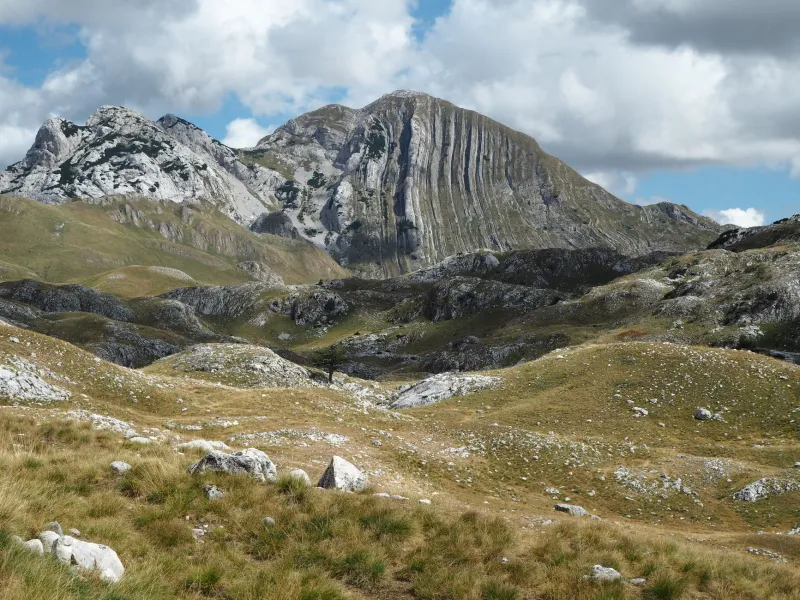
Kosovo's mountain terrain — the Accursed Mountains in the west, the Sharr range in the south, the Kopaonik foothills in the north — is spectacular by any standard, but it is best experienced in the company of someone who knows it intimately. A growing number of local naturalists and licensed mountain guides offer small-group hikes that go well beyond trail navigation.
These guides can identify endemic plant species, point out the ruins of medieval fortifications half-consumed by forest, explain the ecological pressures facing Kosovo's highland ecosystems, and share the kind of place-specific knowledge that no app can replicate. For American hikers accustomed to the well-maintained trails of national parks, Kosovo's mountains offer something bracingly different: genuine wilderness that requires attention and rewards it generously.
6. Shop the Bazaar in Prizren on Market Day
Prizren's old bazaar, the Çarshia, operates on a rhythm that has not fundamentally changed in several centuries. On market days, the cobblestone lanes fill with vendors selling produce, handmade textiles, copper goods, and the kind of miscellany that resists easy categorization. This is not a tourist market; it is a functioning commercial and social space where locals conduct their weekly business.
The appropriate pace is slow. Prices are negotiated, not fixed, and the negotiation is itself a form of social exchange rather than a confrontation. Purchasing a handwoven kilim, a set of copper coffee cups, or a jar of locally harvested honey from a vendor who produced it themselves is an experience that a shopping mall cannot approximate.
7. Share a Meal at a Sofra
The sofra — a traditional communal table around which family and guests gather for extended meals — represents one of the most important expressions of Kosovar social life. If you are fortunate enough to receive an invitation to a family sofra, accept without hesitation.
For those who do not happen into a spontaneous invitation, several rural guesthouses and community tourism initiatives now offer sofra experiences as part of their programming. Meals typically include multiple courses of slow-cooked meats, roasted vegetables, fresh dairy products, and homemade rakia, the fruit brandy that functions as both aperitif and social lubricant across the Balkans. Conversation is obligatory; silence is unusual and not particularly expected of guests.
8. Visit a Village Craftsperson at Work
Kosovo's tradition of artisanal craft — filigree silverwork in Prizren, wood carving in the Rugova region, hand-loomed textiles in rural communities across the country — is still practiced by working craftspeople whose skills have been transmitted across generations. Many of these individuals welcome visitors into their workshops, not as a commercial enterprise but as a natural extension of their openness.
Organizations such as the Kosovo Craft Council and various locally based NGOs can help connect visitors with artisans in specific regions. Watching a Prizren silversmith construct a filigree pendant or a weaver set up a traditional loom is a reminder that craft at its finest is not a hobby but a form of knowledge — one that takes decades to acquire and deserves more than a passing glance.
Kosovo does not require a special budget, an elaborate itinerary, or an adventurous tolerance for discomfort. It requires only a willingness to slow down, look carefully, and accept what is offered. For travelers who arrive on those terms, it gives back considerably more than they came looking for.