Powder Below the Peaks: Inside Kosovo's Quiet Revolution on the Slopes
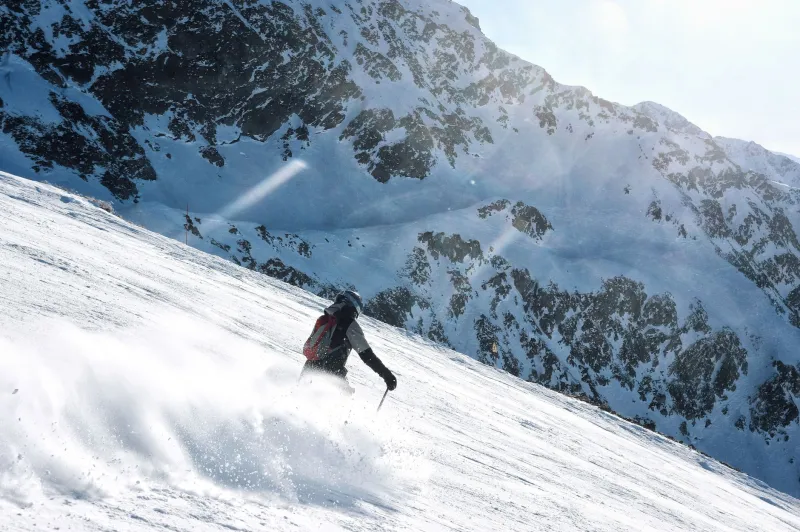
The skier arriving at Brezovica on a February morning encounters something increasingly rare in Europe: a mountain resort that feels discovered rather than delivered. The lifts are vintage, the lift tickets cost a fraction of Alpine prices, and the snowpack — dry, deep, and persistent well into April — falls on terrain that once served as an Olympic training ground.
For American skiers watching lift tickets at Vail approach $250 and Alpine passes climb ever higher, Kosovo's Šar Mountains represent an alternative that is part bargain, part adventure, and entirely genuine.
A Resort With History, A Scene With Momentum
Brezovica sits on the northern slopes of the Šar range, its ski infrastructure dating to Yugoslav-era ambitions that included hosting events at the 1984 Sarajevo Winter Olympics. The lifts are older than the visitors riding them, but the mountain above them is timeless: wide bowls, gladed runs through black pine, and a vertical drop that approaches 2,000 feet on marked terrain — with vastly more waiting beyond the ropes.
Day passes remain remarkably affordable, typically under $30. Equipment rental, lodging in family-run hotels, and apres-ski meals keep the total cost of a ski day to what an American resort charges for parking and a burger.
But the real story is unfolding off-piste. A small community of local guides — many of them young, certified through international avalanche and mountain-guide programs, and deeply knowledgeable about the range they grew up in — has begun building a backcountry culture from the ground up.
The Guides Building the Scene
Spend a day with Kosovo's mountain guides and a pattern emerges. Most learned these slopes as children, hunting or hiking with fathers and grandfathers who read the mountain the way farmers read weather. Now they pair that inherited knowledge with formal avalanche training, modern gear, and an entrepreneurial energy typical of Kosovo's generation.
Guided backcountry tours range from gentle introduction days on the Šar ridgelines to multi-day traverses connecting remote villages where overnight guests sleep in family homes and eat meals cooked on wood stoves. Prices — often $60 to $100 per person per day including instruction — would be unthinkable anywhere in the Alps or the American West.
The terrain justifies the effort. The Šar Mountains receive reliable snowfall, hold it in shadowed north-facing couloirs, and offer descents of 3,000 vertical feet or more from summits near 8,500 feet. On a clear day, the views stretch across the Balkan Peninsula toward Albania, North Macedonia, and Montenegro.
Safety and Honest Expectations
Kosovo's backcountry is real mountains, and it demands real respect. Visitors should book through established local guiding operations, carry standard avalanche safety equipment — transceiver, probe, shovel — and be candid about their ability level. Guides will happily structure days around conditions; the mountain is not going anywhere.
Cell coverage is generally good near resorts and roads but thin in the high backcountry. Winter access to Brezovica from Pristina takes about ninety minutes by road; in heavy snow, a four-wheel-drive vehicle or arranged transfer is prudent. Travel insurance covering backcountry activity is strongly recommended, as it would be anywhere.
The Window Before the World Arrives
Anyone who watched Bulgaria, Slovenia, or Albania transform from obscure to overbooked understands what comes next. Investment in Kosovo's mountain infrastructure is being discussed, foreign tour operators have begun scouting routes, and the guides themselves are fielding increasing inquiries from Western Europe.
For now, though, a February week in the Šar Mountains — lifts, guides, lodging, meals, and round-trip ground transport — can be assembled for roughly the cost of two days at a major American ski resort. The powder is the same. The silence is greater. And the story you bring home is not about a resort, but about a mountain culture in the act of becoming.
Pack your transceiver, book a local guide, and come see what Europe's best-kept winter secret looks like before the secret gets out.