Say It in Albanian: How a Few Words Transform Your Kosovo Journey from Tourist to Guest
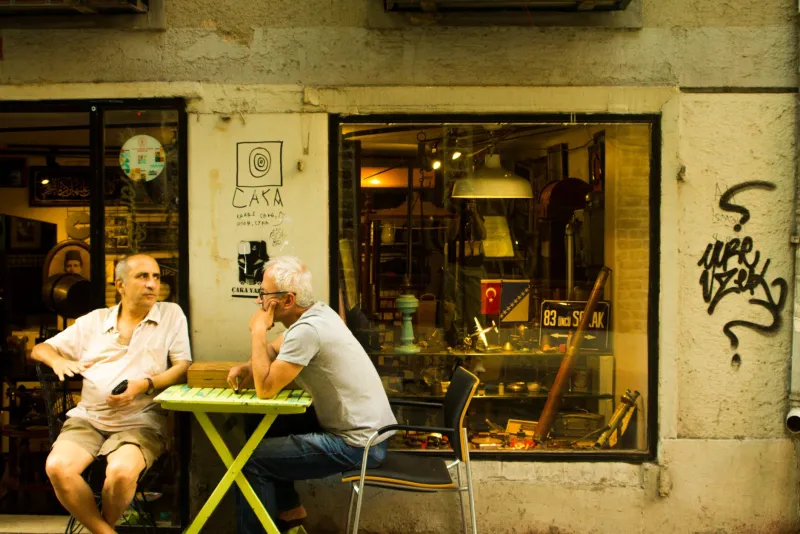
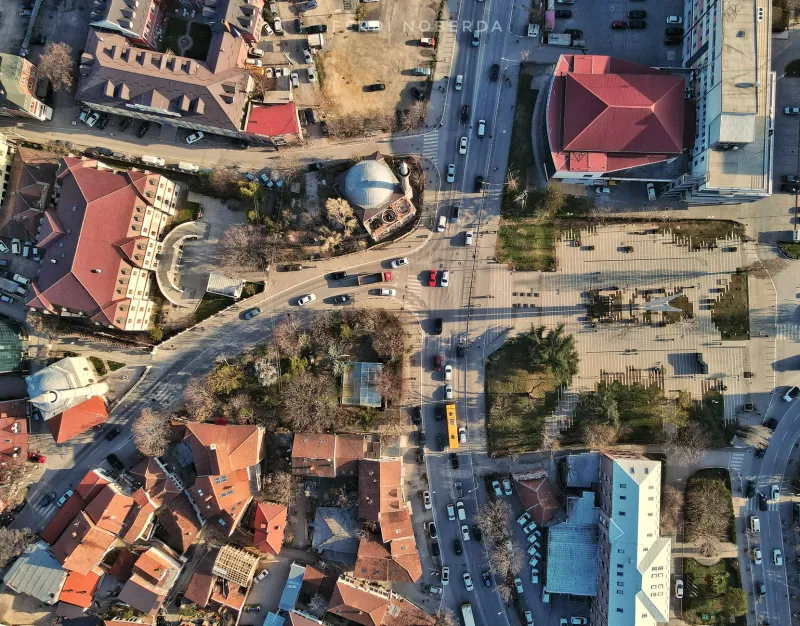
There is a moment that nearly every traveler to Kosovo eventually experiences. You are sitting at a small café in Prizren, or perhaps navigating the Old Bazaar in Pristina, and a local—unprompted, unhurried—pauses to ask where you are from. You answer in English. They respond warmly in English. The exchange is pleasant, efficient, and utterly forgettable.
Now imagine the same moment, except you open with "Mirëdita, si jeni?"—Good day, how are you? The response is something else entirely: a widened smile, a surprised laugh, an invitation to sit down. Suddenly you are not a tourist passing through. You are a guest who made an effort, and in Kosovo, that effort is remembered.
Language learning is rarely framed as a travel essential, the way packing a rain jacket or booking accommodation in advance might be. But in Kosovo, where Albanian is the primary spoken language and where the question of linguistic identity carries genuine historical weight, even a modest command of a few phrases does something a translation app simply cannot replicate. It signals respect. It opens rooms.
Why Albanian—and Why Kosovo Specifically
Albanian is one of the oldest surviving languages in Europe, a linguistic isolate with no close relatives among the major language families. It does not descend from Latin like Spanish or French, nor from Germanic roots like English or German. It stands largely alone, with ancient traces that scholars trace back to the Illyrian populations of the Balkans. For American travelers accustomed to finding cognates in European languages, Albanian presents a genuinely fresh challenge—and a genuinely rewarding one.
In Kosovo, Albanian carries additional layers of meaning. Following decades during which the language was suppressed in public life, the freedom to speak, write, and teach in Albanian became inseparable from the country's broader story of self-determination. When you greet someone in Albanian today, you are participating, however briefly, in something that locals do not take for granted. That context is invisible to the traveler who relies entirely on English—and luminous to the one who understands it.
It is also worth noting that Kosovo is one of the few countries in the world where you are genuinely likely to be thanked simply for trying. The Albanian-speaking community has a long tradition of hospitality—mikpritja, a concept that goes well beyond opening a door—and linguistic effort from a foreign visitor is met with an almost disproportionate warmth.
Pronunciation: The Basics You Actually Need
Albanian spelling is largely phonetic, which is good news for beginners. Once you learn the core rules, you can sound out words with reasonable accuracy. A few essentials:
- "ë" is pronounced like the unstressed "u" in butter. You will see it often—mirëdita, faleminderit—and softening it rather than forcing a hard vowel makes a significant difference.
- "xh" sounds like the English "j" in jungle. So xhami (mosque) is pronounced roughly jah-mee.
- "q" in Albanian is softer than in English—closer to a light "ch" sound, as in qyteti (the city), pronounced chew-tet-ee.
- "gj" is a voiced version of that same soft sound, similar to the "dy" in dew spoken quickly.
- Stress in Albanian generally falls on the second-to-last syllable, which gives the language a distinctive, flowing cadence once you begin to hear it.
None of this requires months of study. Twenty minutes with a pronunciation guide before your flight puts you meaningfully ahead of the average visitor.
A Starter Vocabulary Worth Memorizing
You do not need fluency. You need presence. The following phrases, used naturally and without apology for imperfect pronunciation, will carry you remarkably far:
- Mirëdita — Good day (the standard daytime greeting, used widely)
- Mirëmëngjes — Good morning
- Mirëmbrëma — Good evening
- Si jeni? — How are you? (formal)
- Faleminderit — Thank you (one of the most important words you will use)
- Ju lutem — Please
- Po / Jo — Yes / No
- Më falni — Excuse me / I'm sorry
- Sa kushton? — How much does it cost?
- Shumë e mirë — Very good (useful at every meal)
- Mos fol shqip — I don't speak Albanian (said with a smile, this generates enormous goodwill)
Practice faleminderit in particular. It is long by English standards—fah-leh-min-DEHR-eet—but locals visibly appreciate hearing it from foreign visitors, and you will use it constantly.
Language as Cultural Navigation
Beyond pleasantries, understanding a few linguistic concepts helps you read the culture more accurately. The Albanian concept of besa—a word with no clean English translation, roughly meaning a pledge of honor or sacred trust—appears in conversation, in proverbs, and in the way hospitality is extended to strangers. Knowing the word allows you to recognize when it is being invoked, which happens more often than you might expect.
Similarly, the word shpirt—meaning soul or spirit—appears in terms of endearment and in expressions of warmth that locals use with people they genuinely like. If someone calls you shpirt or miku im (my friend), you have moved into a different register of relationship entirely. Recognizing these moments transforms your experience from pleasant to memorable.
Kosovo's linguistic landscape also includes Serbian, spoken by a significant portion of the population in certain regions, as well as Turkish traces in vocabulary that reflect centuries of Ottoman presence. This layering is part of what makes Kosovo such a compelling destination for culturally curious travelers—and why language, here more than in many places, is genuinely a window into history.
Practical Tips for the Language-Curious Traveler
Several free and low-cost resources make Albanian accessible before you depart. The Duolingo Albanian course, while limited compared to major European languages, covers the pronunciation fundamentals and basic vocabulary. YouTube channels dedicated to Albanian language learning offer audio practice that no phrasebook can match. For travelers who prefer structured learning, a single session with an online tutor through platforms like iTalki can yield a surprisingly functional foundation in an afternoon.
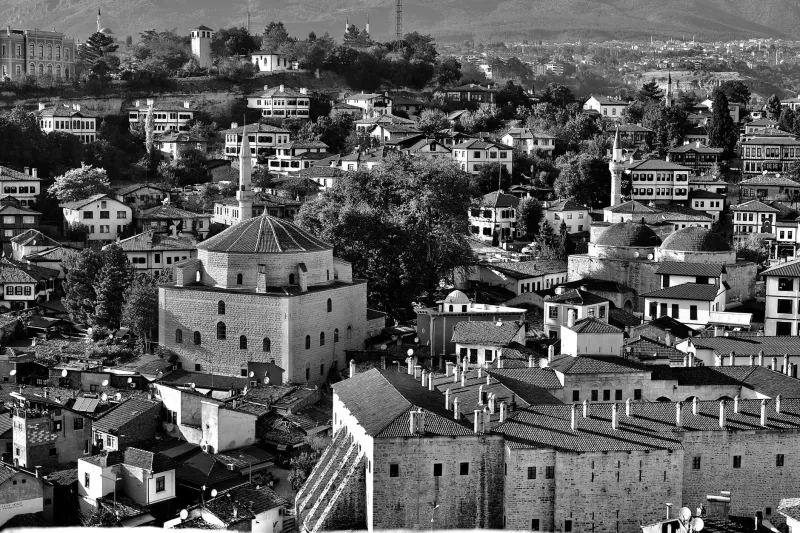
Once in Kosovo, do not hesitate to ask locals to teach you words. This is one of the most reliable conversation-starters available to a foreign visitor, and it almost always leads somewhere interesting. Shopkeepers in the Çarshia e Vjetër in Prizren, café owners in Gjakova, and guides throughout the country are accustomed to curious visitors—and genuinely delighted by the ones who show up wanting to learn.
Carry a small notebook. Writing down words as locals offer them is both practical and symbolic. It shows you intend to remember.
The Larger Reward
Kosovo rewards the traveler who approaches it with curiosity rather than convenience. The country's landscapes, its medieval monasteries, its mountain trails and vineyard valleys, are all accessible to the visitor who arrives with a map and a good attitude. But the Kosovo that stays with you—the one that generates the stories you tell when you get home—is the one you access through its people.
And its people speak Albanian.
A few words learned in advance, offered without pretension and received with genuine warmth, have a way of collapsing the distance between visitor and place. In Kosovo, that distance is already shorter than most Americans expect. Language makes it shorter still.