Before the World Discovers Rahovec: A Pilgrimage to Kosovo's Oldest Vines
Every wine traveler eventually chases the same feeling: the moment of tasting something extraordinary in a place nobody back home has heard of. That feeling is increasingly expensive to find. Napa tasting fees rival concert tickets. Tuscan farmhouses book out a year ahead. Even Portugal's Douro Valley, once a backwater, now hums with tour buses.
Which is why the unassuming town of Rahovec, in Kosovo's southwestern hills, feels like a professional secret being kept on your behalf.
Vines Older Than the Empires
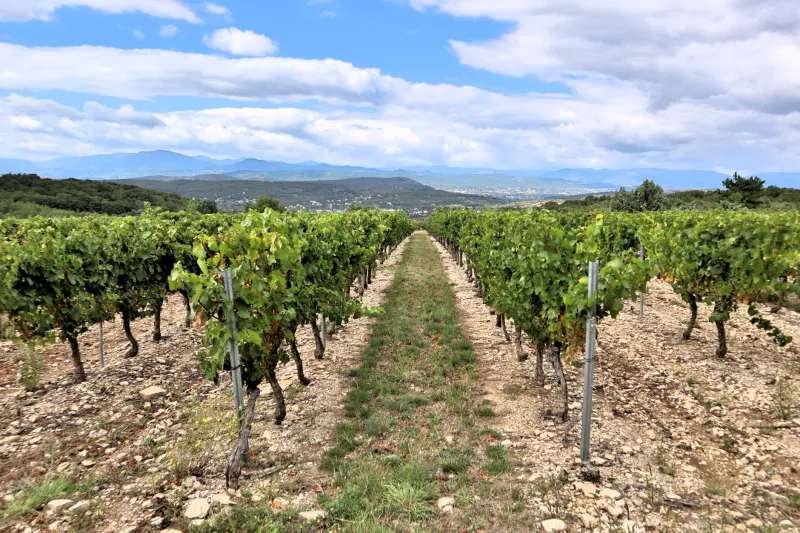
Winemaking in this corner of the Balkans is not a trend; it is an inheritance. Archaeological evidence suggests viticulture here stretches back to Illyrian times, and the Roman chroniclers noted the region's wines with approval. The slopes above Rahovec — sun-drenched, well-drained, moderated by the Šar Mountains to the east — have grown grapes continuously through Byzantine, Ottoman, and Yugoslav eras, each leaving traces in the cellars and the culture.
The Ottoman period aside, the modern industry took shape in the twentieth century, when large cooperatives planted extensive vineyards and Rahovec became the wine engine of the former Yugoslavia. The turbulent 1990s devastated the industry — cellars were damaged, exports collapsed, and decades of rebuilding followed. What has emerged since is smaller, more personal, and in many ways better: family estates bottling under their own names, tending old vines with obsessive care.
What You'll Taste
Kosovo's signature white is Zhilavka, a local variety producing wines of mineral precision and quiet complexity — think of a cross between a Greek assyrtiko's saline edge and an Italian greco's orchard fruit. Among reds, Vranec (known regionally as Vranac's Kosovo cousin) delivers dark, structured wines with the wild herb character of the hills, while international varieties planted decades ago — cabernet, merlot, riesling — have settled into a distinctive local register.
What surprises most visitors is the quality-to-price inversion. Bottles that would command $40 on an American shelf are poured at cellar doors for a fraction of that, often by the winemaker's son or daughter, frequently with an impromptu cellar tour and a plate of cheese that was never meant to be a tasting fee.
The Fourth Generation
The story of Rahovec is best told by its people. Many of the current estates are run by third- and fourth-generation vintners who studied oenology abroad — in Italy, Slovenia, Hungary — and returned home convinced that their grandparents' vineyards deserved international attention. They are modernizing gently: temperature-controlled fermentation alongside concrete tanks their fathers used, organic trials on old parcels, small-lot experimental wines sold only at the cellar door.
Visits are personal by necessity. There is no visitors' center, no gift shop, no timed tasting slots. Travelers who arrange ahead — through Kosovo's growing wine tourism networks or simply by calling — are received as guests, not customers. Expect to taste through the lineup standing among the barrels, and expect the conversation to range well past wine, into family history, the town's complicated twentieth century, and where to eat dinner.
Planning a Visit
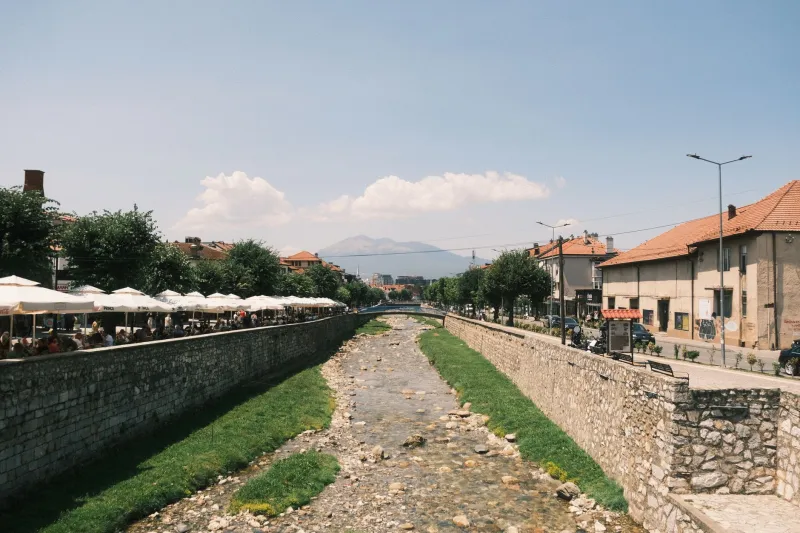
Rahovec lies roughly seventy-five minutes by car from Pristina and about thirty from Prizren, making it an easy day trip or, better, an overnight. Several estates offer tastings by appointment; a modest fee of $10 to $20 typically covers a guided flight and generous hospitality. Local guesthouses in Prizren pair beautifully with a wine-country day — return from the cellars in time for dinner along the Bistrica river.
September and October coincide with harvest, when the hills hum with activity and the chance of being handed a bucket of grapes is nontrivial. Spring visits offer flowering vines and unhurried tastings.
The Bragging Rights Are Real
There is a particular pleasure in watching a friend's face when you pour them a wine they cannot find on any American shelf, from a country they assumed had no wine industry at all. Kosovo's vintners are not yet famous, and their wines are not yet exported widely to the United States. That will change — the quality demands it, and the international attention is beginning to arrive.
For now, the cellar doors of Rahovec remain open, unhurried, and largely unvisited by American travelers. Go now, taste deeply, and take your place among the few who can say they were there before the world caught on.