Spring Break, Reimagined: Why Kosovo Is the Balkan Destination American Students Are Choosing Over the Beach
For decades, the American college spring break has followed a predictable script: a flight to somewhere warm, a resort wristband, and a week that blurs together by the third day. But a small, growing, and notably enthusiastic cohort of American students is departing from that script entirely — boarding flights not to Cancun or Miami, but to Pristina, the capital of Kosovo, a country many of their classmates cannot yet locate on a map. That, some would argue, is precisely the point.
The Economics of Going Somewhere Different
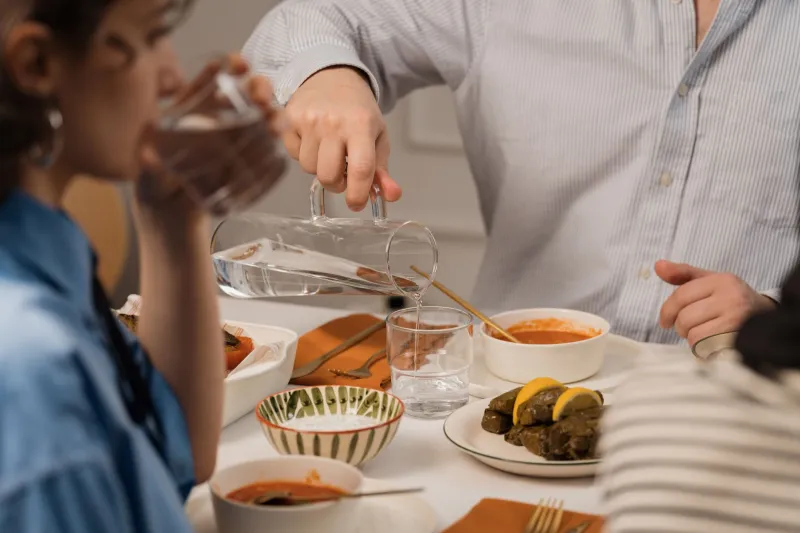
Budget is the first conversation any college student has when planning a trip, and Kosovo makes that conversation surprisingly easy. The country consistently ranks among the most affordable destinations in all of Europe. A full sit-down meal at a well-regarded Pristina restaurant — appetizer, main course, local wine or beer — will rarely exceed ten dollars. A private room in a centrally located guesthouse or boutique hostel can be secured for fifteen to twenty-five dollars per night. Public transportation between cities is dependable and costs almost nothing by American standards.
For context, a single night at a mid-tier resort in a traditional spring break destination can consume what a student might spend across an entire week in Kosovo. That financial breathing room does more than reduce stress — it changes the nature of the trip itself. When money is not a constant source of anxiety, travelers make different choices. They linger at a café. They accept an unexpected invitation. They say yes to things they might otherwise calculate away.
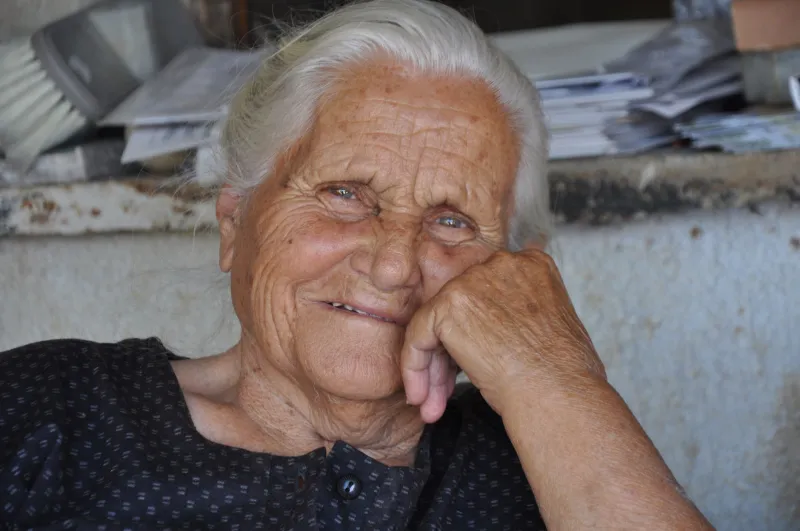
The Albanian word mirë se vini — welcome — appears on signage, on menus, and in the genuine expressions of people who have developed a particular warmth toward American visitors. That warmth has historical roots that run deep, and students who arrive with even modest curiosity about Kosovo's recent past tend to leave with a far more nuanced understanding of Balkan history than any textbook provided.
Pristina After Dark: A Nightlife Scene Built for the Young
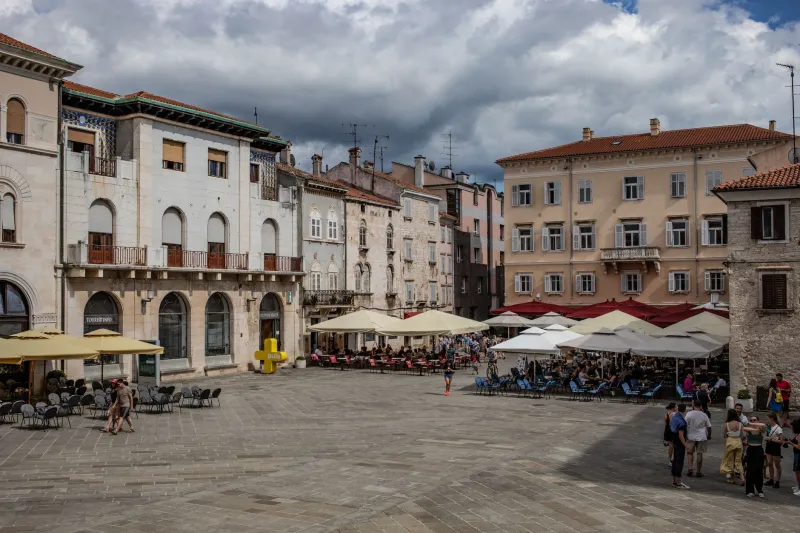
Those expecting Kosovo's capital to be quiet or provincial are consistently surprised. Pristina has one of the youngest average populations of any capital city in Europe, and its nightlife reflects that demographic reality with considerable energy. The area around Mother Teresa Boulevard and the surrounding streets fills nightly with students, young professionals, and visitors drawn to bars, live music venues, and clubs that stay open well into the early morning hours.
Local craft beer has emerged as a point of pride, with several small breweries producing distinctive lagers and ales that have found loyal followings among younger residents. Wine bars serving bottles from Kosovo's own wine-producing regions — a story unto itself — offer a more relaxed alternative for evenings that begin with conversation and end with a second or third glass.
Importantly, Pristina's social scene is not a performance for tourists. It is the authentic leisure culture of a young, forward-looking society. American students who participate in it are not observers — they are, almost immediately, participants. The city's young residents speak English with impressive fluency, hold opinions on American culture, music, and politics, and are genuinely interested in exchange rather than transaction.
Beyond the Capital: What a Week Can Actually Hold
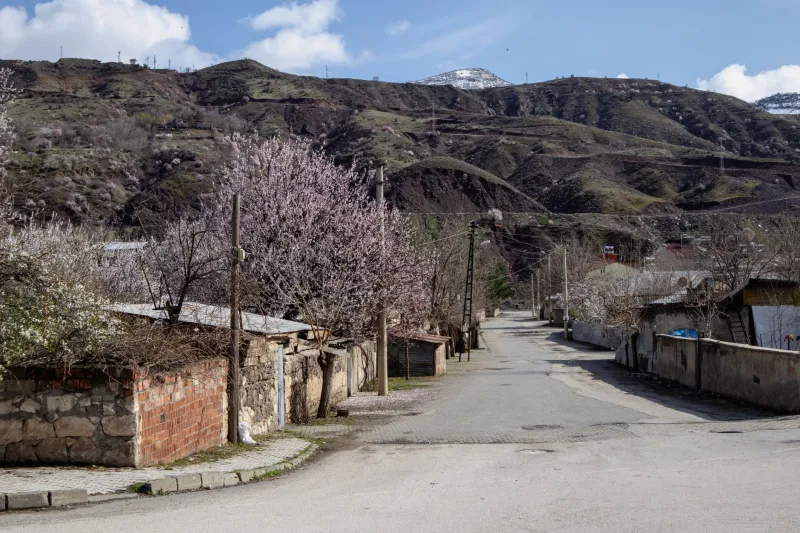
Kosovo is a small country by any measure, which means that within a week, a motivated traveler can experience remarkable variety without spending significant time in transit. The ancient city of Prizren, roughly an hour from Pristina by bus, is among the most visually striking historic cities in the entire Balkan region. Its Ottoman-era bazaar, stone bridge, and hillside fortress create a setting that photographers and architecture enthusiasts find inexhaustible.
For students drawn to the outdoors, the Rugova Canyon near Peja offers some of the most dramatic natural scenery in southeastern Europe. Hiking trails range from accessible afternoon walks to more demanding routes that reward climbers with panoramic views across the Accursed Mountains. The Sharr Mountains in the south present their own distinct landscape — softer in profile, rich with meadows and traditional villages where shepherding practices have changed little across generations.
Day trips to any of these destinations from Pristina are feasible, inexpensive, and can be arranged with minimal advance planning. For students who prefer structure, several local tour operators specifically accommodate small groups and budget-conscious itineraries. For those who prefer improvisation, Kosovo's compact geography and well-connected road network make self-directed exploration equally viable.
What Students Who Have Made the Trip Say
Conversations with American students who have already visited Kosovo reveal a consistent theme: the experience exceeded expectations in ways they struggle to articulate until they have had time to reflect. Several students from universities in the American South and Northeast have described Kosovo as the first international trip that felt genuinely immersive rather than curated.
One undergraduate from a mid-sized university in the Midwest described spending an afternoon in a village outside Gjakova, invited for coffee by a family she encountered while asking for directions. What began as a brief interaction extended into a two-hour conversation spanning three languages, a shared meal, and an exchange of contact information that has since led to ongoing correspondence. "No resort could have given me that," she noted. "That was just a Tuesday."
Another student, a graduate student in international relations, chose Kosovo specifically because of its contemporary political significance — the country's declaration of independence in 2008 and its complex relationship with international recognition make it a living case study for anyone studying modern statecraft. He described leaving with a depth of contextual understanding that supplemented years of academic reading.
Practical Considerations for American Student Travelers
Kosovo does not require a visa for American citizens, and the entry process is straightforward. The euro is the functional currency, and ATMs in Pristina and other cities dispense cash reliably. English is widely spoken among younger Kosovars, particularly in urban areas, reducing the language barrier that concerns some first-time visitors to the region.
Flights from major American hubs to Pristina Adem Jashari International Airport typically route through European connection points — Vienna, Frankfurt, Istanbul, and London are common layover cities. Round-trip airfare, booked with reasonable advance notice, is competitive with flights to popular Caribbean destinations, particularly when departing from the East Coast.
Travel insurance is advisable, as it is for any international journey. Students should notify their banks of travel plans to avoid card interruptions. The country is generally considered safe for independent travelers, and the U.S. State Department's current travel advisory reflects that assessment.
A Different Kind of Story to Bring Home
Spring break has always been, at its core, about the story — the account of what happened, what was discovered, what will not be forgotten. Kosovo offers a category of story that differs fundamentally from what a resort week produces. It is the story of a place that surprised you, of people who welcomed you without expectation, of landscapes that had no marketing budget and needed none.
For American students willing to trade the familiar for the genuinely unfamiliar, Kosovo is not a compromise. It is an upgrade — measured not in amenities, but in the quality of what remains after the trip ends.