When Generosity Feels Like Pressure: Understanding Kosovo's Culture of Unconditional Welcome
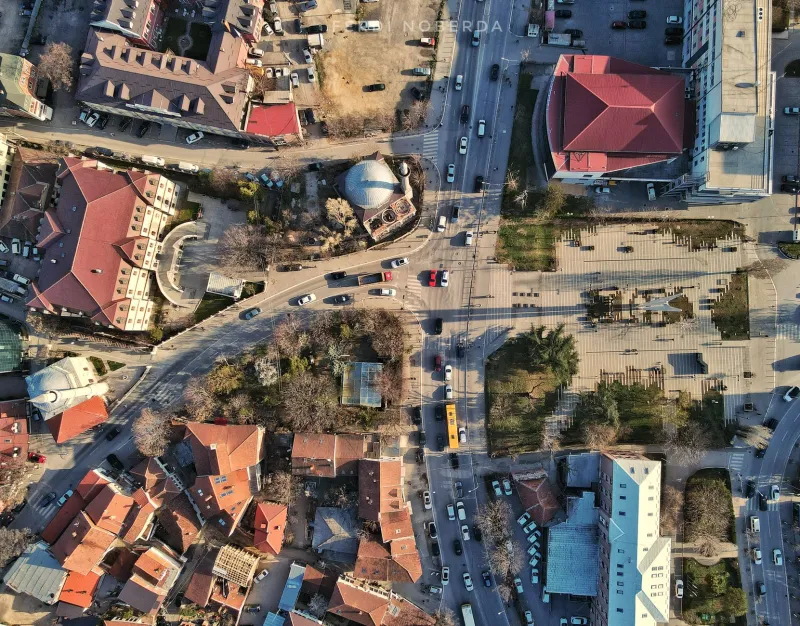
Most Americans arrive in Kosovo braced for the unfamiliar. They have read about the complicated history, the young democracy, the streets where Ottoman minarets and modernist concrete towers share the same skyline. What they have not read — and what no guidebook adequately prepares them for — is the moment a stranger insists on paying for their coffee, refuses their money with visible offense, and then disappears before a word of protest can be formed.
For many visitors from the United States, that moment produces not warmth, but anxiety.
It is worth sitting with that reaction, because it reveals something important — not about Kosovo, but about the assumptions American travelers carry without realizing it.
The Transactional Default
American tourism culture is, at its core, transactional. You pay for an experience. The exchange is clear, the boundaries are comfortable, and the relationship between visitor and local is mediated by commerce. Even the most immersive American travel experiences — farm stays, culinary tours, community-based tourism initiatives — tend to operate within a framework where money changes hands and everyone understands their role.
This is not a criticism. It is simply the architecture of a particular relationship between people and place.
Kosovo operates on a different architecture entirely. The Albanian concept of besa — a word that translates loosely as a pledge of honor, but carries far deeper resonance — underpins a social code in which the guest is sacred. To host someone, to feed them, to offer them shelter or comfort or a small gift, is not a commercial transaction. It is an expression of identity. It is, in the most literal sense, who you are.
When a Kosovo host refuses payment, they are not being polite. They are telling you something fundamental about how they understand human connection.
Why the Discomfort Is Real
The unease that American travelers feel in these moments is not trivial, and it deserves honest examination rather than dismissal.
In the United States, accepting gifts from strangers — particularly in contexts where a commercial relationship might otherwise apply — can feel like incurring a debt. The American social imagination is shaped by a powerful sense of reciprocity: if someone gives, something is owed. When that debt cannot be immediately settled, the gift becomes a source of tension rather than pleasure.
There is also, for some visitors, a layer of guilt. Travelers who are aware of Kosovo's economic challenges — it remains one of the lower-income countries in Europe by GDP per capita — may feel that accepting generosity from people who have less is morally complicated. The instinct to insist on paying, to leave money on the table, or to press a banknote into someone's hand as they walk away, comes from a genuine place of conscience.
But here is what that instinct misses: in Kosovo, the refusal of a guest's money is not a performance of false modesty. It is a declaration that the relationship being offered is not for sale. To force payment into the equation is, from the Kosovo perspective, to demote the encounter from something meaningful to something merely commercial. It can read, however unintentionally, as a rejection of the relationship itself.
The Historical Roots of Radical Hospitality
Kosovo's hospitality traditions did not emerge from abundance. They emerged, in large part, from survival.
For centuries, Albanian communities in the Balkans navigated occupation, displacement, and periods of profound instability. In that context, the oda — the guest room maintained in traditional Albanian homes specifically for visitors — was not a luxury. It was a statement of dignity. To host generously, even when resources were scarce, was to assert a set of values that no outside power could confiscate.
The Kanun of Lekë Dukagjini, the ancient Albanian customary law that governed social life across much of the western Balkans for generations, devoted extensive passages to the rights and protections owed to guests. A visitor under someone's roof was under their protection. The host's honor was bound to the guest's wellbeing. This was not sentiment. It was law.
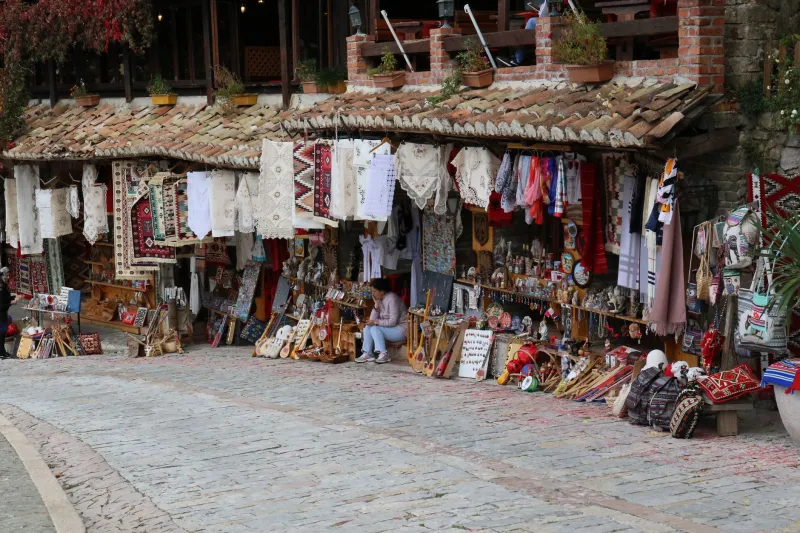
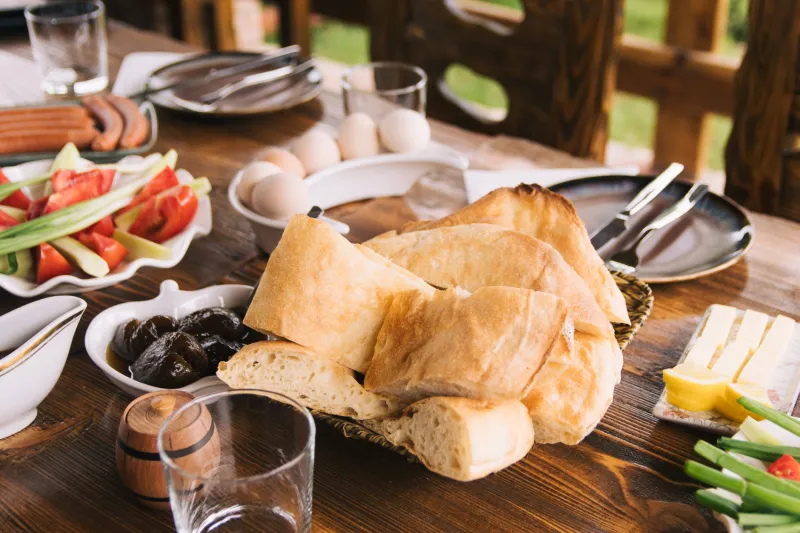
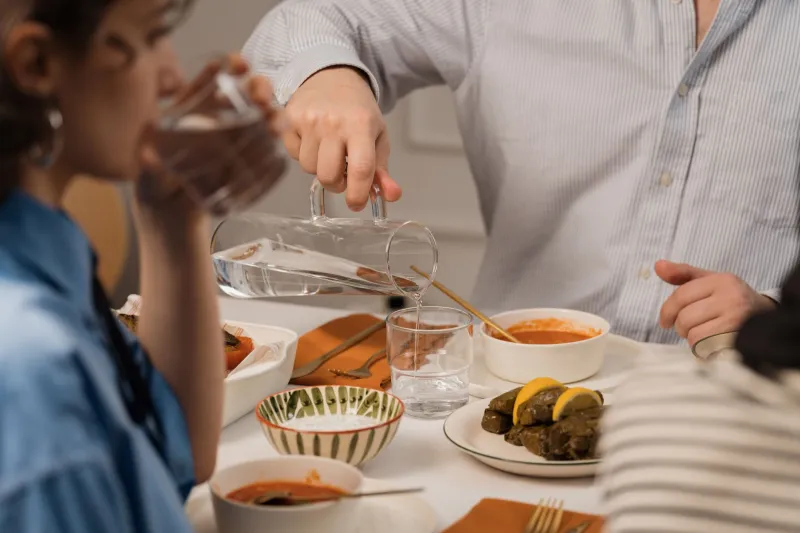
That tradition has evolved, but its emotional weight persists. When a family in Prizren or Gjakova insists you stay for dinner, when a shopkeeper in Pristina waves off your attempt to pay for a second coffee, when a stranger on a hiking trail produces a handmade gift from their pack — these are not performances for tourists. They are continuations of something very old.
How to Navigate These Moments with Grace
For American visitors who want to engage authentically with Kosovo's hospitality culture without feeling paralyzed by obligation, a few principles are worth holding onto.
Receive before you reciprocate. The instinct to immediately balance the ledger is understandable, but resist it. Accept the coffee, the meal, the gift, with genuine gratitude and presence. The relationship being offered is the point. Let it exist before you try to manage it.
Understand that reciprocity takes different forms. You may not be able to pay for the coffee, but you can stay longer, listen more carefully, ask questions that show genuine interest in the person across from you. In Kosovo's hospitality culture, the quality of your presence is itself a form of giving.
Small gifts from home carry real meaning. If you anticipate spending time with a Kosovo family or community, bringing a modest, thoughtful item from your home city or state — something that represents where you come from — is a culturally resonant way to participate in the exchange without reducing it to cash.
Express gratitude explicitly and specifically. Albanians often place high value on verbal acknowledgment. Saying not just "thank you" but articulating what the gesture meant to you — "this is something I will remember" — honors the spirit of what has been offered.
Let go of the guilt. Accepting generosity with grace is itself a form of respect. The discomfort of receiving without immediately repaying is, ultimately, an invitation to examine assumptions about what human connection is supposed to cost.
What the Discomfort Is Actually Telling You
There is a reason so many American travelers describe their encounters with Kosovo's hospitality as among the most disorienting and ultimately transformative experiences of their travels. The discomfort is not a warning signal. It is a diagnostic one.
It points to the degree to which transactional frameworks have shaped not just how Americans travel, but how they relate to people in general. Kosovo's hospitality culture holds up a mirror — not an unkind one, but an honest one — to the emotional walls that transactional thinking quietly builds.
The country's young generation, increasingly connected to global culture and acutely aware of how the wider world perceives them, nonetheless maintains this tradition with striking consistency. They have chosen to keep it. That choice is worth honoring.
Kosovo does not offer visitors a frictionless experience. It offers something harder to find and more difficult to forget: the genuine article. And the genuine article, as any honest traveler will tell you, sometimes requires a little discomfort to receive.