The Undiscovered Advantage: How Kosovo's Low Tourist Footprint Creates Richer Encounters for American Travelers
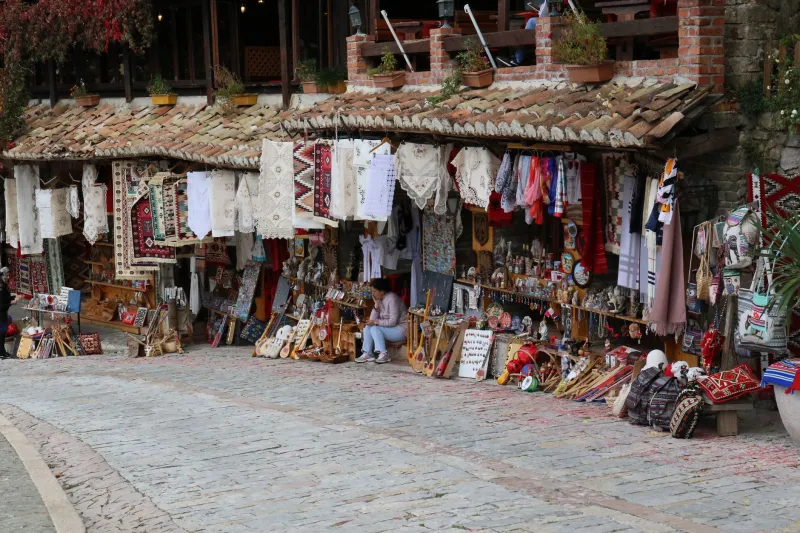
There is a particular kind of loneliness that sets in when you are surrounded by thousands of other tourists. You have waited months for this trip, saved carefully, crossed an ocean — and yet, standing in the shadow of a famous cathedral or shuffling through a celebrated old quarter, you feel oddly invisible. The locals have seen it all before. The restaurant menus exist in six languages. The souvenir vendors barely look up. You are a number, not a person.
Kosovo does not work that way.
For American travelers who have begun to question whether the classic European circuit still delivers what it once promised, Kosovo offers something that cannot be manufactured or marketed into existence: genuine scarcity of visitors, and all the human warmth that scarcity makes possible.
When Fewer Visitors Changes Everything
Tourism economists speak of a concept sometimes called destination saturation — the point at which a place receives so many visitors that the quality of the experience degrades for everyone involved, travelers and residents alike. Venice, Barcelona, and Amsterdam have all grappled publicly with this phenomenon in recent years. Residents grow weary. Hospitality becomes performative. The authentic texture of daily life retreats behind a carefully managed façade designed for consumption rather than connection.
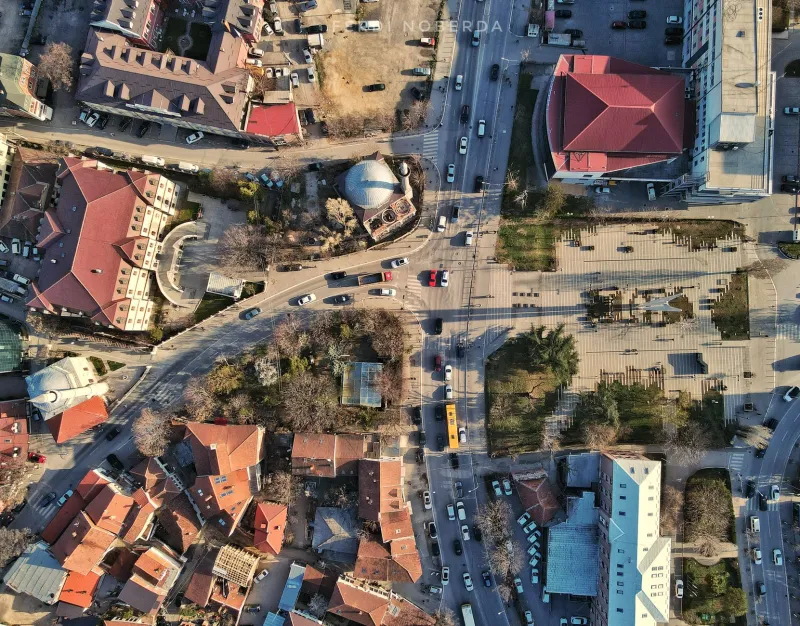
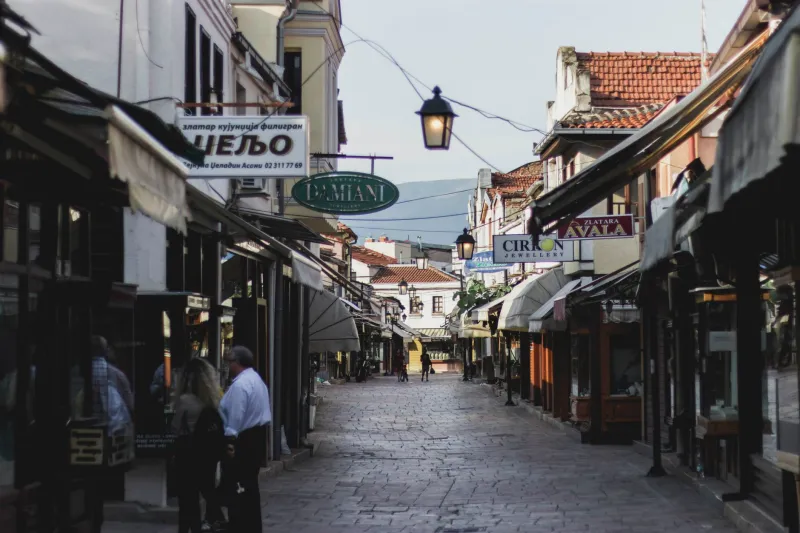
Kosovo sits at the opposite end of that spectrum. International visitor numbers remain modest by European standards, which means that when you walk into a family-run café in Prizren, strike up a conversation at a market stall in Gjakova, or ask for directions from a stranger in Pristina, you are likely the first American that person has spoken with in some time — possibly ever. That novelty is not a disadvantage. It is, in fact, the foundation of something remarkable.
Locals have bandwidth. They have curiosity. They have stories they are genuinely eager to share with someone new.
The Attention Economy of Travel
Consider what it means, practically, to visit a place where tourism has not yet become an industry unto itself. In Kosovo, the person pouring your coffee is not a hospitality professional executing a rehearsed interaction. They are someone who chose to open a small business in their hometown, who takes pride in the quality of their macchiato, and who — when they learn you have come all the way from, say, Ohio or Oregon — wants to understand why. What brought you here? What do you know about Kosovo? What do you think so far?
These are not rhetorical questions. Kosovars ask them because they want to know.
This dynamic extends well beyond casual exchanges. American visitors to Kosovo frequently report being invited into homes, included in family gatherings, guided through neighborhoods by people who simply wanted to show off their city to someone who had never seen it. This is not organized community tourism, though that exists here as well. It is the organic hospitality of a society that has not yet learned to be indifferent to outsiders.
A Cultural Disposition Toward Guests
It would be incomplete to attribute Kosovo's warmth solely to low visitor numbers. There is also the matter of besa — an Albanian concept with no precise English translation, but one that encompasses a profound obligation of honor, trust, and protection extended to guests. Under besa, a visitor is not merely a customer or a passerby. They are someone to whom a form of sacred responsibility has been extended.
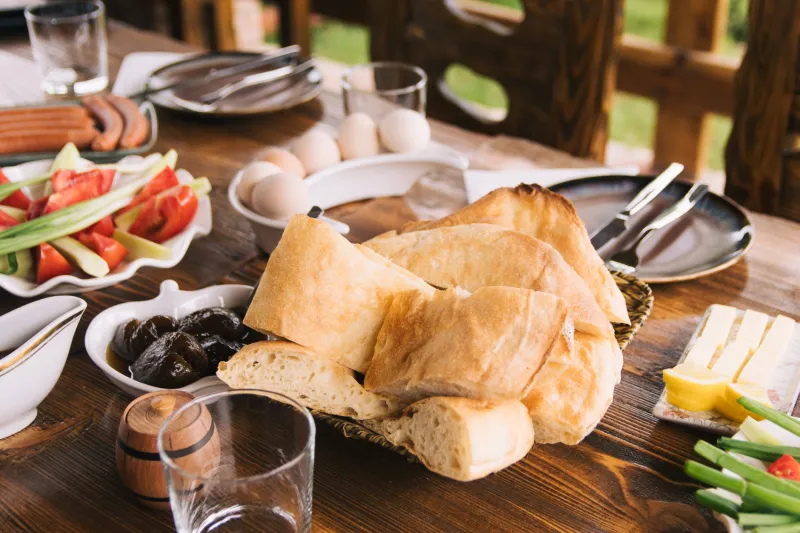
This cultural inheritance shapes encounters in ways that are difficult to quantify but impossible to miss. It is the neighbor who walks you three blocks out of his way rather than simply pointing. It is the shopkeeper who closes up for twenty minutes to personally show you the historic mosque you were looking for. It is the family who insists you stay for lunch when you stopped only to ask about the road ahead.
For Americans accustomed to the transactional rhythms of mass tourism — where every interaction carries a price and every recommendation conceals a commission — this kind of generosity can feel disorienting at first. It is worth leaning into, rather than away from.
Contrasting the Kosovo Experience with Europe's Crowded Capitals
The contrast with popular European destinations is instructive. In cities that receive millions of visitors annually, residents and travelers exist in a kind of parallel universe. Locals have developed sophisticated mechanisms for filtering out tourist noise — they know which streets to avoid, which hours belong to outsiders, and how to move through their own city without engaging with the flood of visitors passing through it. This is rational behavior, but it produces a kind of invisible wall between the people who live in a place and the people who come to see it.
In Kosovo, that wall has not been built yet. The infrastructure of detachment — the laminated menus, the audio guides, the roped-off authenticity — is largely absent. What remains is direct contact between human beings who are genuinely interested in one another.
For American travelers who have spent time in Paris or Prague or Dubrovnik and come away feeling like they witnessed a beautiful stage set rather than a living place, Kosovo offers a corrective. The country is not a stage set. It is emphatically, sometimes overwhelmingly, real.
Practical Considerations for the Connection-Minded Traveler
Making the most of Kosovo's relational advantages requires a certain disposition. Travelers who arrive with rigid itineraries and back-to-back schedules will still have a worthwhile trip, but they may miss the deeper register of what the country offers. The visitors who tend to leave most transformed are those who build in unstructured time — an afternoon with no plan, a morning spent lingering over coffee, an evening that begins with a casual conversation and ends with an invitation to dinner.
A few practical notes for those ready to engage:
- Learn a word or two of Albanian. Even a halting faleminderit (thank you) or mirëdita (good day) signals respect and tends to open doors that would otherwise remain politely closed.
- Ask questions about Kosovo's history and present. Kosovars are thoughtful, well-informed, and eager to share perspectives that rarely make it into Western news coverage. These conversations are among the most intellectually rewarding a traveler can have anywhere in Europe.
- Accept invitations. When a Kosovar invites you to sit, to eat, to visit — take it seriously. These offers are genuine, and declining them without good reason can be read as a form of distance the host did not intend to create.
- Move slowly. The country is small enough that you can cover significant ground quickly, but the richest experiences tend to accumulate in the margins of the itinerary, not the highlights.
The Rarity That Will Not Last Forever
Kosovo's tourism sector is growing. New hotels are opening, infrastructure is improving, and the country's profile among European travelers is rising steadily. The window in which Kosovo offers this particular combination — genuine undiscovery, authentic hospitality, and the full attention of a curious and welcoming population — will not remain open indefinitely.
For American travelers who have begun to feel that the classic European trip has become more obligation than adventure, Kosovo represents something genuinely different: a place where you are still a guest rather than a demographic, and where the connections you make are measured not in photographs but in conversations you will still be thinking about years later.
That is a rare thing. It is worth going to find it.